Journal Club and Academic Seminar November 2026: Research Contributions and Intellectual Capital Management
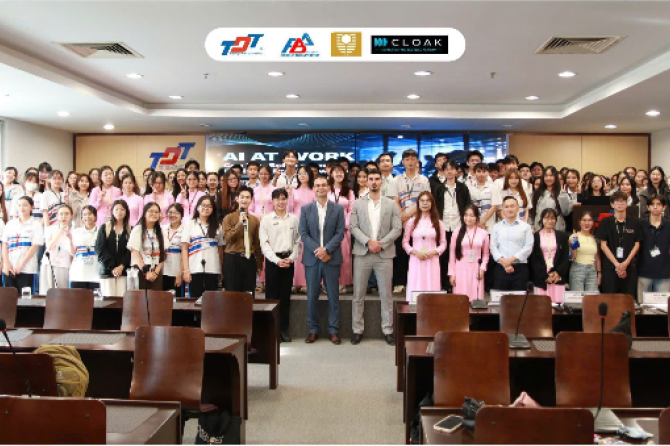
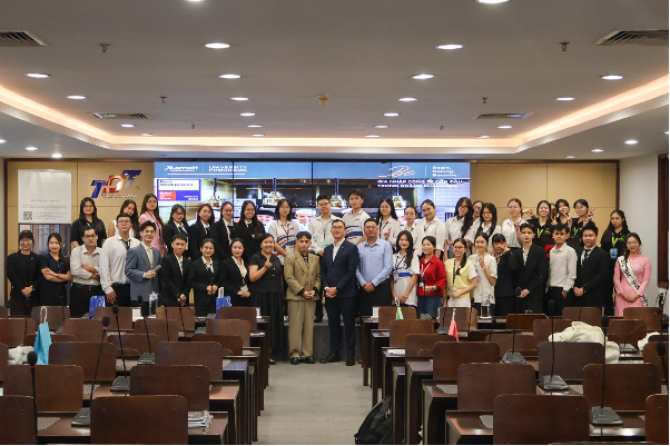
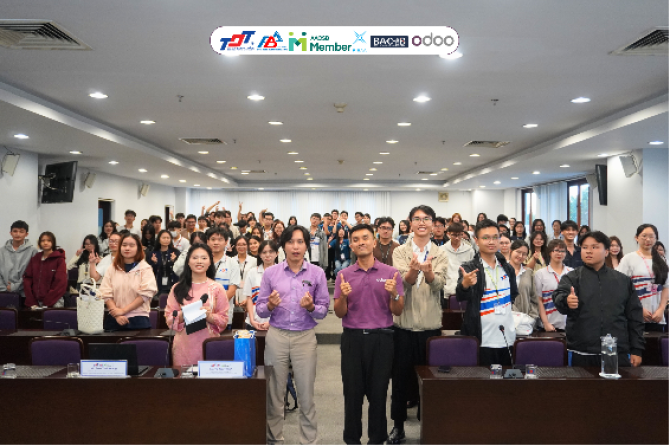
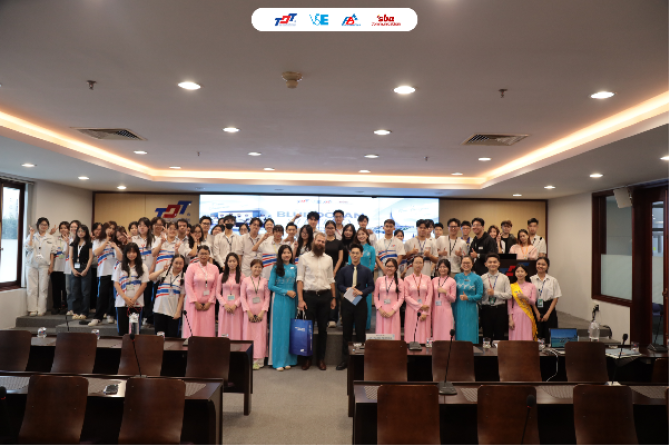
On the afternoon of November 9, 2026, the Faculty of Business Administration, Ton Duc Thang University, organized its Journal Club and Academic Seminar with the participation of the Faculty Board and academic staff. The session focused on research contributions and intellectual capital management.
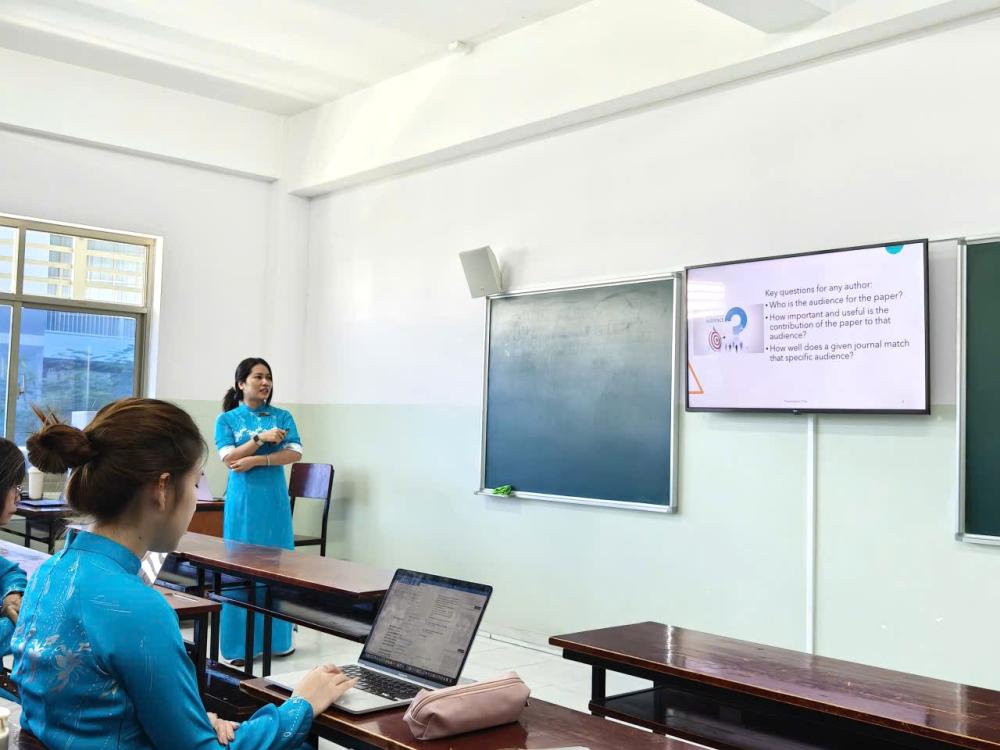
Opening the session, MSc. Le Thi Phuong Thanh presented the study entitled “The Contribution Continuum” which examines the nature and different levels of scholarly contribution. Drawing on perspectives synthesized from editors in the field of Marketing, the study proposes an eight-level framework ranging from research replication and extension to the development of new theories capable of predicting novel phenomena.
The synthesis highlights the value of validating, integrating, and extending existing knowledge, while emphasizing the importance of clearly explaining the significance of identified research gaps. These insights provide useful directions for developing studies that build on prior research, extend theoretical applications across different contexts, and connect academic theories with practical issues.
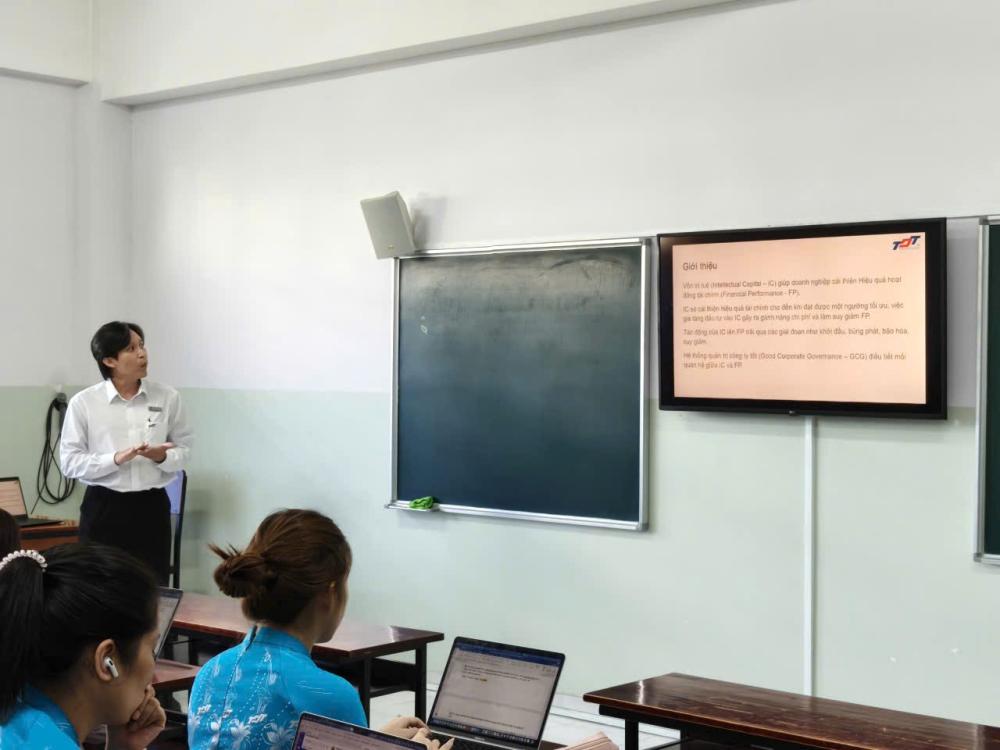
Continuing the session, MSc. Tran Thai Hoang presented a study, conducted jointly with MSc. Pham Thi Tram Anh, examining the moderating role of good corporate governance in the relationship between intellectual capital and financial performance.
Using 973 firm-year observations from 139 non-financial companies listed on the Ho Chi Minh Stock Exchange (HOSE) during the 2018–2024 period, the study investigates both linear and nonlinear relationships through panel data regression analysis.
The findings indicate that overall intellectual capital efficiency and human capital efficiency exhibit an S-shaped relationship with return on assets (ROA), reflecting successive phases of improvement, decline, and subsequent recovery. Good corporate governance strengthens the positive effect identified in the linear model and moderates the inverted U-shaped relationship, with varying effects across different components of intellectual capital.
The study suggests that firms should place greater emphasis on resource coordination capabilities, governance quality, and the effective management of increasingly complex organizational processes.
In conclusion, the presentations contributed to a deeper understanding of the requirements for meaningful scholarly contribution while broadening perspectives on the effective utilization of organizational resources. The Journal Club and Academic Seminar continued to provide an academic platform for faculty members to update their knowledge, exchange methodological insights, and connect research with contemporary management practices.
#TDTU #FBA_TDTU #AACSB #Innovation #JournalClub #Research #CorporateGovernance