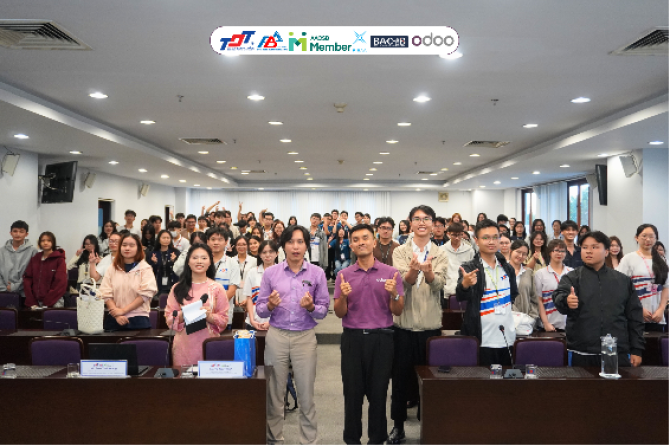
Journal Club October 2026: Research Discussions on AI in Recruitment and the Hospitality Industry
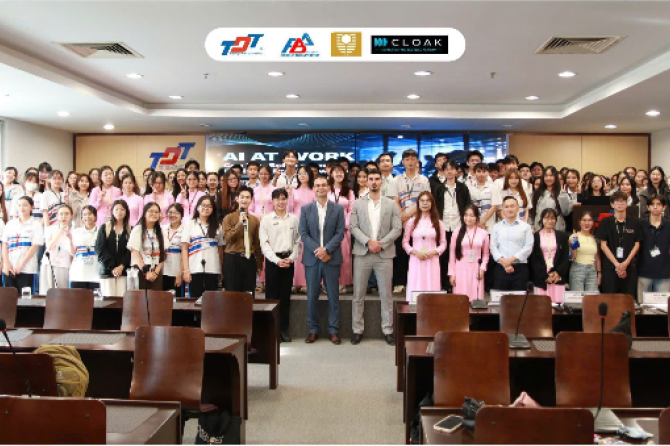
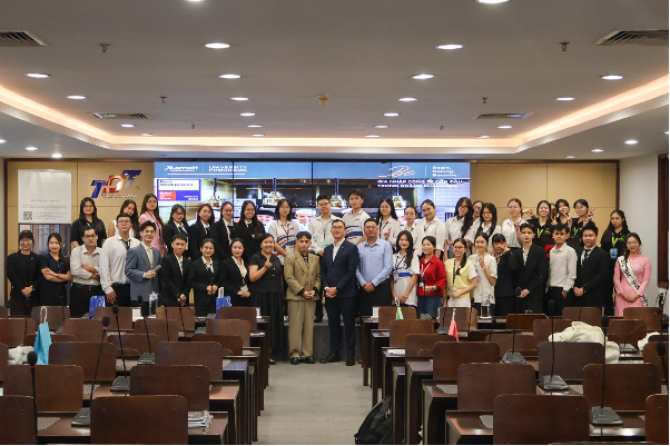
On the afternoon of October 26, 2026, the Faculty of Business Administration, Ton Duc Thang University, organized a Journal Club session attended by members of the Faculty Board and academic staff. The session featured research discussions on the application and implications of artificial intelligence (AI) in recruitment and the hospitality industry.
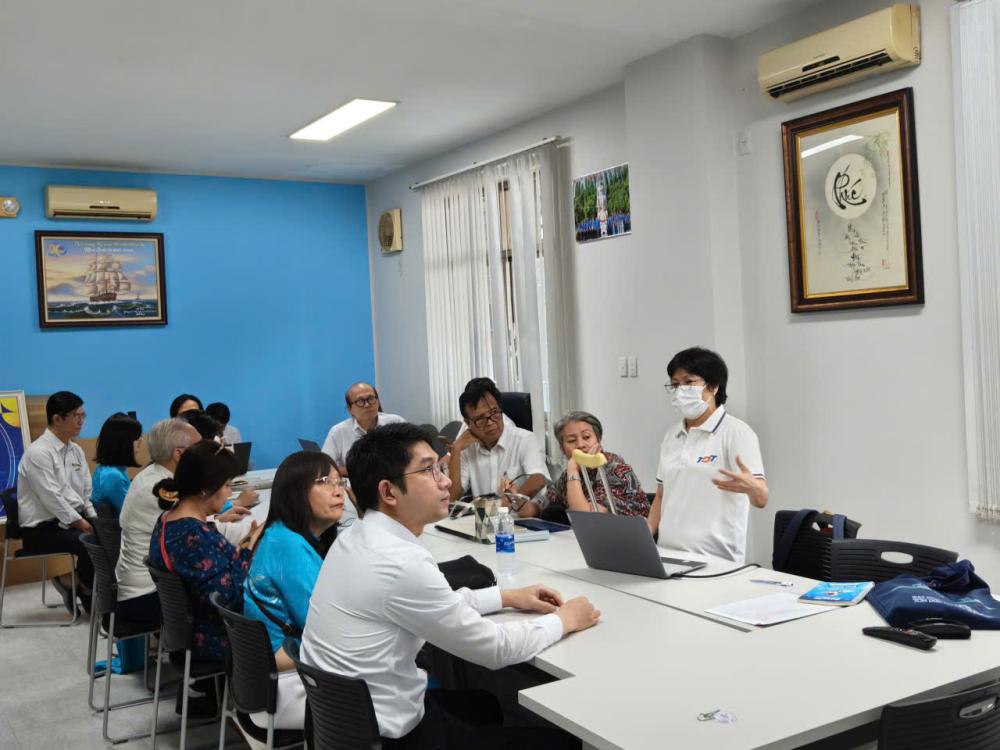
Opening the session, Dr. Nguyen Chi Doan Hanh presented a study examining how job applicants and human resource professionals evaluate AI-generated job advertisements. Drawing on Signaling Theory, the study comprised three experiments involving 640 participants from Sweden and the United Kingdom. It compared authentic job advertisements, advertisements rewritten by human experts, and advertisements generated by ChatGPT.
The findings revealed no statistically significant differences across the evaluated criteria. However, the results did not establish full equivalence among the different types of job advertisements, nor did they demonstrate that AI-generated content eliminates potential bias. Many HR professionals remained cautious about the use of AI and experienced difficulty in accurately identifying the source of the advertisements.
The study suggests that AI can be used as a supporting tool in the drafting of recruitment content, while emphasizing the need for human review to ensure the accuracy, appropriateness, and contextual relevance of job advertisements.
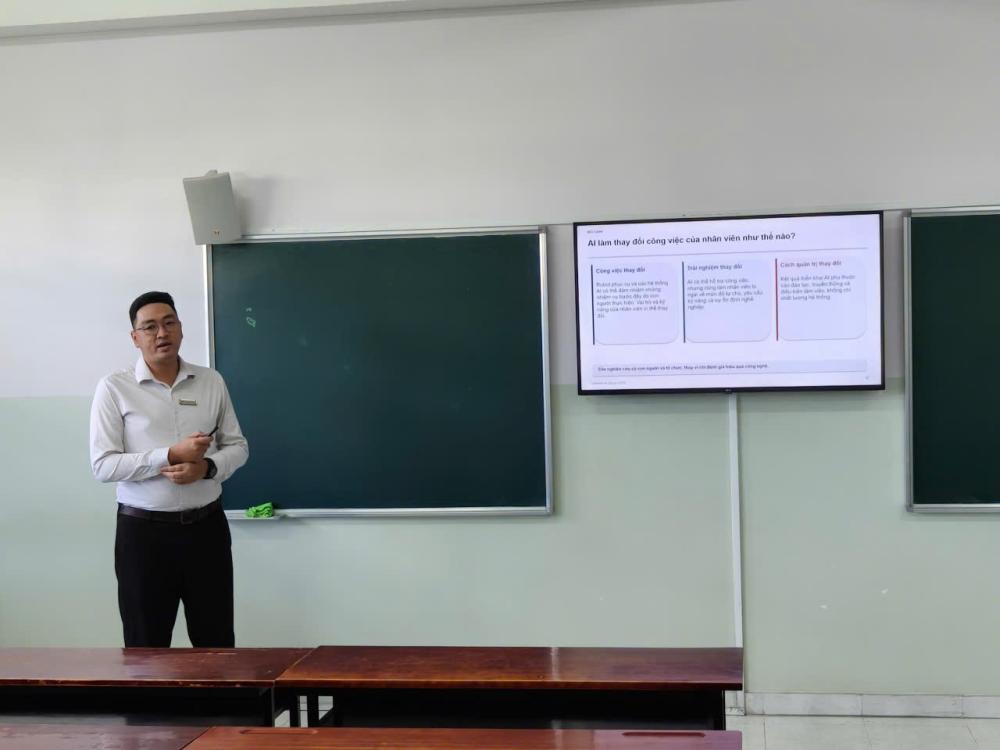
Continuing the session, Mr. Nguyen Hai Nam introduced a systematic literature review examining artificial intelligence from the perspective of employees in the hospitality industry. The study synthesized 80 empirical articles indexed in Scopus and combined bibliometric analysis with the TCCM framework.
The findings indicate that AI can enhance work efficiency and support human–technology collaboration. At the same time, AI adoption is associated with concerns regarding job displacement, job insecurity, and turnover intentions. Existing studies have largely focused on service robots, suggesting the need to expand future research to other forms and applications of AI within the hospitality sector.
The study recommends that organizations strengthen transparent communication, provide appropriate skills training, and support employees in adapting to technological changes.
The discussion session focused particularly on the selection of research locations and survey contexts. Insights from the two presentations contributed to further discussions on experimental design, systematic literature review methods, and the interpretation of research findings, while also connecting academic research with practical issues in human resource management.
In conclusion, the two studies provided complementary perspectives on the role of AI in recruitment communication and employee experiences within the hospitality industry. The Journal Club continued to provide an academic forum for faculty members to exchange research perspectives, share methodological experience, and explore potential directions for future research at the Faculty of Business Administration.
#TDTU #FBA_TDTU #AACSB #Innovation #JournalClub #Recruitment #Hospitality