Panel Discussion: Metrologistics – Redefining Urban Mobility Flows
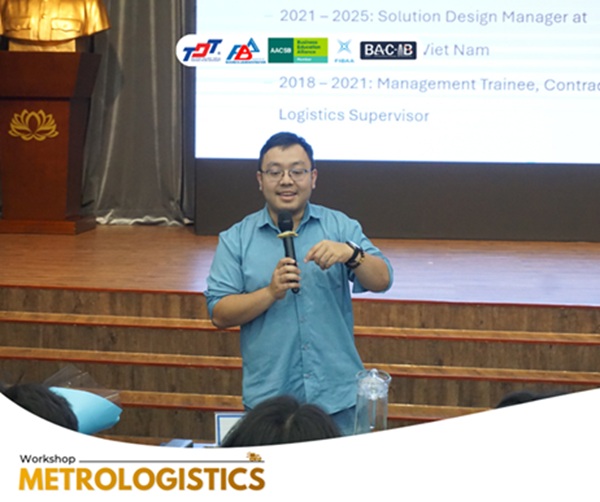
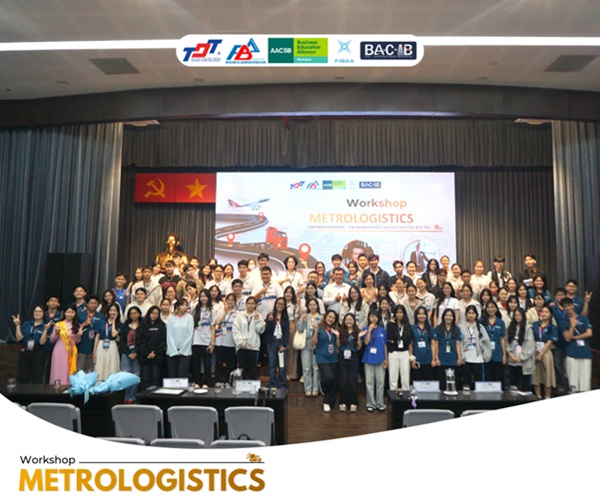
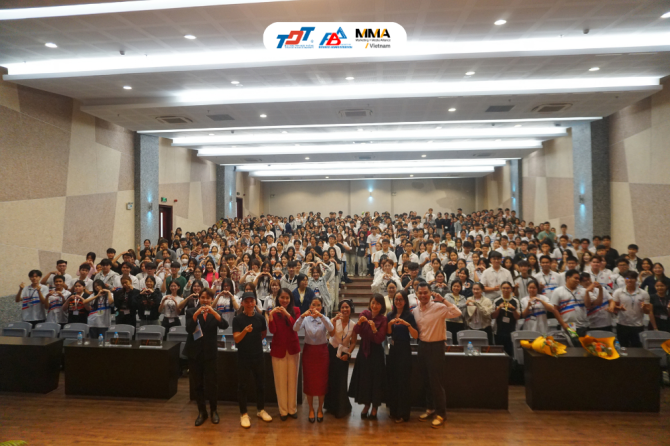
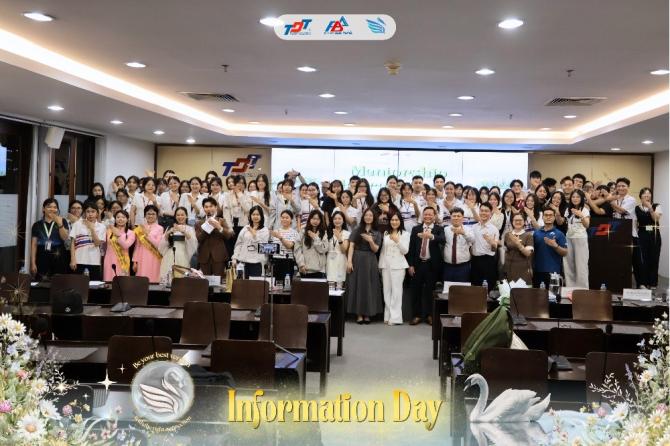
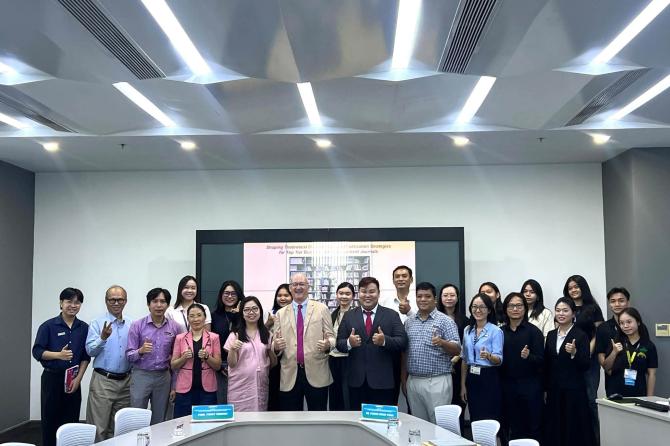
On the morning of January 17, 2026, the International Business Division, in collaboration with the BAC–IB Club, successfully hosted the panel discussion “Metrologistics – Redefining Urban Mobility Flows”, featuring two guest speakers: Mr. Nguyen Thanh Liem, Logistics Partnership Manager at Yes4all Trading Service Co., Ltd., and Mr. Khoa Than, Solution Design Manager at DHL Supply Chain Vietnam, with the coordination and participation of lecturers from Ton Duc Thang University. Drawing on extensive hands-on experience from multinational corporations, the speakers offered multidimensional perspectives on the modern logistics landscape, with a particular focus on the pressing challenge of last-mile logistics.
Throughout the core presentations, the speakers highlighted the strategic importance of last-mile logistics, which accounts for more than 50% of total transportation costs across the entire supply chain. In the context of rapid urbanization in Vietnam—especially in major cities such as Hanoi and Ho Chi Minh City—last-mile delivery operations face intense challenges stemming from fragmented transport infrastructure, persistent traffic congestion, and strict regulations on truck operating hours. Optimizing last-mile logistics, therefore, is not merely a matter of delivery speed, but a complex interplay among cost efficiency, integrated technological applications, and efforts to mitigate negative impacts on the urban environment.
A key highlight of the panel discussion was the in-depth analysis of the differences between traditional logistics and last-mile operations, where large-scale shipments are gradually replaced by small, highly fragmented orders that demand exceptional flexibility. Advanced operating models such as Milk Run, Continuous Move, and the Hub Model were discussed as critical solutions for adapting to Vietnam’s practical conditions. These insights were not only academic in nature but also highly practical, enabling students to develop a more objective and comprehensive understanding of the operational economy in general and the urban economy in particular.
In addition, the value of the panel discussion was further enhanced by the interactive Q&A session between the speakers and students. Drawing on their extensive field experience, the speakers addressed a wide range of questions while also guiding students toward developing sharp data-driven thinking and a holistic operational mindset. These insightful and heartfelt sharing sessions helped future professionals recognize that a strong customer-centric mindset is the golden key to success in the logistics industry.
Although the panel discussion has come to a close, the knowledge and strategic orientations on Metrologistics shared during the event will undoubtedly continue to resonate, laying a foundation for new advances in optimizing urban mobility flows in Vietnam. More than a knowledge-sharing event, the discussion served as an important bridge between theory and operational practice, helping the logistics workforce prepare for the continuous transformations of the market in the near future.